
ProQual Level 5 Diploma in Passive Fire Protection Inspection
Develop specialist knowledge and practical inspection skills to assess passive fire protection systems and support safer buildings and construction environments.
Knowledge
Skills
Buildings
Growth
Full Qualification Fee
Course Introduction
The ProQual Level 5 Diploma in Passive Fire Protection Inspection is a specialist qualification designed for professionals involved in construction, building inspection, fire safety and passive fire protection. It develops the knowledge and practical understanding required to inspect, monitor and evaluate passive fire protection measures within building and construction environments.
The qualification supports professionals in developing their understanding of passive fire protection systems and their role within a building’s overall fire safety strategy. Learners can develop practical inspection knowledge relevant to construction, building safety and fire protection environments.
What is Passive Fire Protection?
Understanding Passive Fire Protection Inspection
Passive fire protection refers to building features and systems designed to contain fire and smoke and help maintain the fire resistance or compartmentation of a building.
Unlike active systems such as fire alarms and sprinklers, passive fire protection is incorporated into the building structure or construction elements.
Typical examples include:
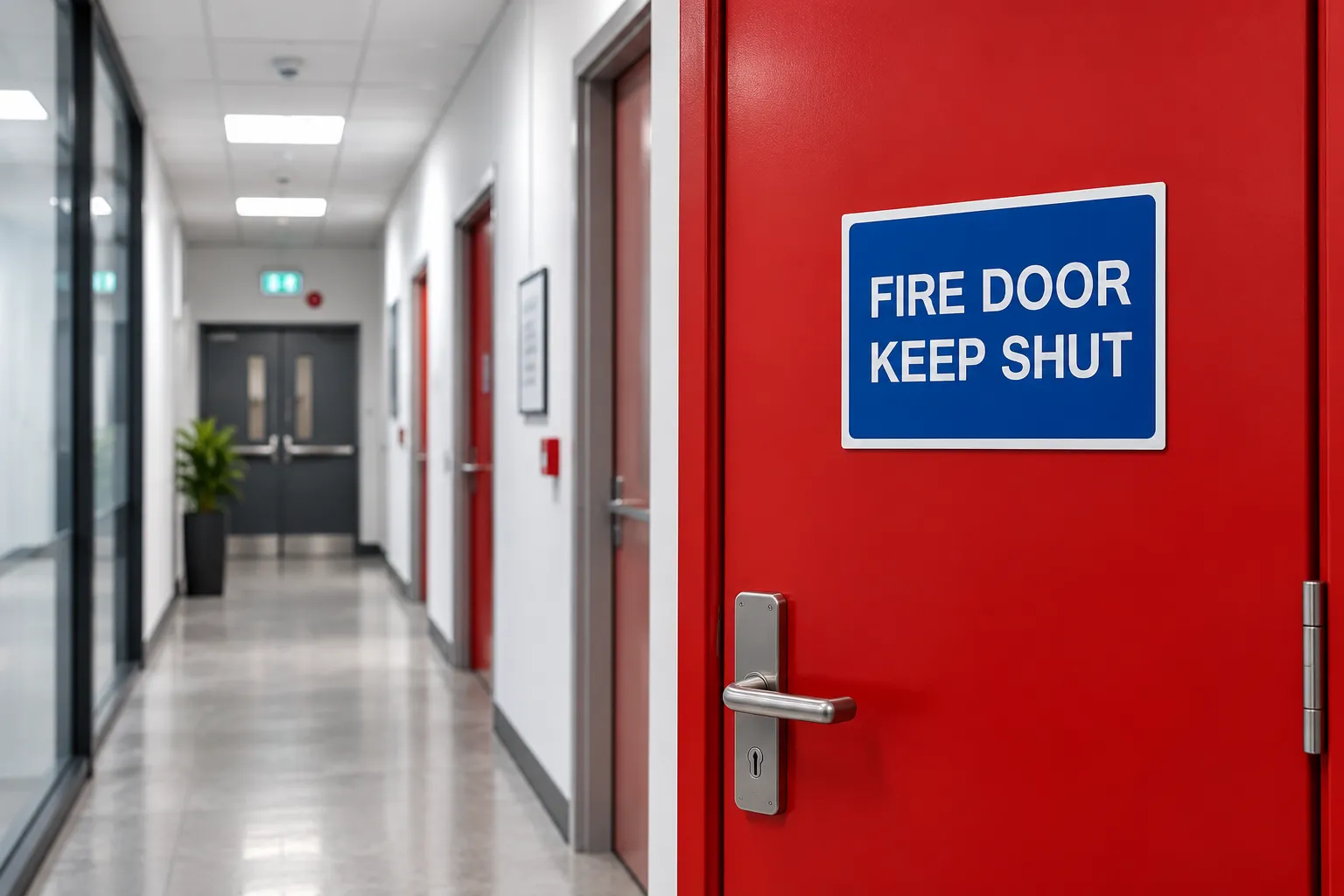
- Fire-resisting doors
- Fire stopping systems
- Fire-rated walls and floors
- Compartmentation
- Fire-rated ductwork
- Fire dampers
- Intumescent coatings
- Structural fire protection
Effective inspection is important because defects, incorrect installation or damage to passive fire protection can affect the intended performance of a building’s fire safety strategy.
Qualification at a Glance
Key information about the qualification
Why Study This Qualification?
Develop specialist knowledge and practical skills in passive fire protection inspection.
UK-Regulated
Qualification
RQF
Recognition
Specialist Passive
Fire Protection Focus
2 Mandatory Units
+ Optional Units
Practical,
Real-World Application
Supports Career
Development
Suitable for a Wide
Range of Professionals
What You Will Learn?
- Principles of passive fire protection
- Building control site inspection
- Plan assessment and specifications
- Monitoring construction quality
- Fire door, fire stopping and ductwork inspection
- Intumescent coating inspection
- Identify defects and compliance issues
- Recording and reporting inspection findings
- Relevant legislation and standards
- Practical application in real-world projects
Who Is This Course For?
- Passive fire protection inspectors
- Fire safety professionals
- Construction inspectors
- Building control officers
- QA/QC professionals
- Site managers and supervisors
- Facilities managers
- Property and asset managers
- Fire protection contractors
- Anyone seeking specialist knowledge in passive fire protection inspection
Entry Requirements
- Minimum age as specified by the centre
- Relevant Level 3 or 4 qualification (beneficial)
- Relevant work experience (recommended)
- Basic construction knowledge
- English language proficiency
- Access to learning resources
- No specific formal requirements set by ProQual
Assessment Methods
- Evidence-based assessment
- Written assignments
- Inspection reports
- Workplace evidence
- Supporting documentation
- Professional discussion (where applicable)
- Centre-specific assessment arrangements
Course Study Units
The qualification consists of 2 mandatory units and 4 optional units (choose a minimum of 2 optional units).
Mandatory Units (2)
Building Control Site Inspection
and Plan Assessment
Monitor Project Quality in
Construction – Passive Fire Protection
Optional Units (Choose a minimum of 2 from 4)
Fire Resisting Door
Installations
Fire Stopping
Installations
Fire-Rated Ductwork
and Damper
Installations
Fire-Rated Steel
Intumescent Coating
Installations
Career Opportunities
- Passive Fire Protection Inspector
- Fire Safety Inspector
- Building Safety Inspector
- Fire Stopping Inspector
- QA/QC Inspector
- Construction Site Inspector
- Building Compliance Officer
- Facilities Manager
- Fire Protection Supervisor
- Construction Safety Professional
Industries
- Construction
- Commercial Buildings
- Residential Developments
- Industrial Facilities
- Healthcare
- Education
- Infrastructure Projects
- Property Management
- Facilities Management
- Public Sector
Passive Fire Protection Matters
- Helps contain fire and smoke
- Supports safer evacuation
- Helps reduce fire and smoke spread
- Supports building safety
- Helps maintain compartmentation
- Supports regulatory compliance
- Inspection helps identify defects
- Supports safer communities
Qualification Recognition
- The ProQual Level 5 Diploma in Passive Fire Protection Inspection (610/2749/2) is listed within the UK regulated qualification framework.
- Ofqual regulated qualification
- RQF Level 5
- Specialist passive fire protection inspection focus
RQF Level 5
Frequently Asked Questions
Find clear answers to common questions about the ProQual Level 5 Diploma in Passive Fire Protection Inspection.
The ProQual Level 5 Diploma in Passive Fire Protection Inspection is a specialist qualification focused on the inspection, monitoring and evaluation of passive fire protection measures within buildings and construction environments.
The qualification is presented as an Ofqual-regulated RQF Level 5 qualification within the UK regulated qualifications framework.
The qualification consists of 2 mandatory units and 4 optional units, with a minimum of 2 optional units selected.
The mandatory units cover Building Control Site Inspection and Plan Assessment, and monitoring project quality in construction with a focus on passive fire protection.
Optional areas include fire-resisting door installations, fire stopping installations, fire-rated ductwork and damper installations, and fire-rated steel intumescent coating installations.
It is suitable for passive fire protection inspectors, fire safety professionals, construction inspectors, building control officers, QA/QC professionals, site managers, facilities managers and related professionals.
Entry requirements may include the minimum age specified by the centre, relevant construction knowledge, English language proficiency, access to learning resources and relevant experience where recommended.
Assessment is evidence-based and may include written assignments, inspection reports, workplace evidence, supporting documentation and professional discussion where applicable.
Yes. Fire-resisting door installations are included as one of the optional study areas.
Yes. Fire stopping installations are included within the available optional units.
Yes. Fire-rated ductwork and damper installations are included as an optional unit.
Yes. Fire-rated steel intumescent coating installations are included among the optional units.
Completion time can vary depending on the learner’s pace, assessment arrangements and centre-specific delivery arrangements.
Potential professional roles include Passive Fire Protection Inspector, Fire Safety Inspector, Building Safety Inspector, Fire Stopping Inspector, QA/QC Inspector and Construction Site Inspector.
Delivery arrangements depend on the approved centre. Learners should confirm available online or flexible study arrangements with the centre before enrolment.
Start Your Passive Fire Protection Inspection Journey Today
Gain specialist knowledge and practical inspection skills to assess passive fire protection systems and support safer, more resilient buildings.